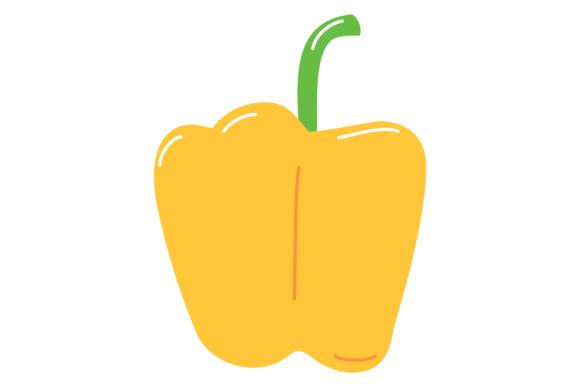
Yellow Bell Paper Color Icon: Designing with Tasty Vege
When you stumble upon a design asset like Yellow Bell Paper Color Icon. Tasty Vege, it’s easy to get distracted by the literal definition—a tasty vegetable icon isolated on a white background. However, looking past the file formats (EPS, JPG, SVG, transparent PNG) reveals a specific design philosophy. This asset isn't just a picture of produce; it is a masterclass in using high-contrast color to drive immediate visual engagement. For designers, marketers, and entrepreneurs, understanding the composition of this icon is key to leveraging its power in modern typography and layout design.
The Anatomy of a High-Impact Asset
The defining feature of the Yellow Bell Paper Color Icon is, naturally, the color yellow. In color psychology, yellow is the loudest voice in the room. It demands attention, evokes optimism, and stimulates mental activity. When you isolate a "Tasty Vege" in this specific hue against a stark white background, you are creating a focal point that cuts through visual noise. This is not a subtle, background texture; this is a foreground statement. The visual personality is fresh, energetic, and appetizing. The style relies on clean lines and a lack of heavy shadowing, which aligns perfectly with current trends in flat design and minimalism.
For the creative professional, the appeal lies in the asset's versatility as a design asset. Because it comes in vector formats like EPS and SVG, it scales infinitely without losing quality. This is critical for brand identity work where a logo might need to appear on a massive billboard or a tiny favicon. The transparent PNG format offers immediate drag-and-drop utility for web design and social media graphics, allowing you to layer the icon over complex photography without worrying about clashing white boxes or jagged edges.
Strategic Placement in Branding and Marketing
Where does the Yellow Bell Paper Color Icon. Tasty Vege fit best? The applications are surprisingly broad, provided you understand the context. In packaging design, this icon serves as a seal of freshness. If you are designing labels for organic juices, health supplements, or farm-to-table delivery services, this asset provides an immediate visual shorthand for "natural" and "healthy." The yellow hue suggests ripeness and vitamin content, triggering a subconscious desire for the product.
For editorial design and blogging, the icon functions as a powerful bullet point or section divider. Imagine a long-form article about nutrition or sustainable living. Using standard bullet points can feel sterile. Replacing them with the Tasty Vege icon breaks up the text, adds a pop of color, and keeps the reader’s eye moving down the page. It transforms a wall of text into a curated visual experience.
Entrepreneurs and small business owners often struggle to find premium font pairings and graphics that don't look generic. This icon works exceptionally well when paired with specific typography styles. If you are using a handwritten font or a script font for a farmers' market flyer, the organic shape of the vegetable complements the fluidity of the letterforms. Conversely, if you are building a tech-forward health app, pairing this icon with a geometric sans serif font creates a fascinating contrast between nature and technology.
Technical Application and Visual Hierarchy
Understanding visual hierarchy is essential when integrating the Yellow Bell Paper Color Icon into your layouts. Because the yellow is vibrant, it naturally sits at the top of the visual pyramid. You must be careful not to let it overpower your typography. If you are using a delicate serif font for body text, placing a large, bright yellow bell pepper icon directly adjacent to it might make the text look washed out.
The solution is balance. Use the icon as an anchor. In logo design concepts, you might place the icon to the left of a bold, black display font. The weight of the icon balances the visual weight of the heavy typeface. This creates a sense of stability and professionalism. It signals to the audience that the brand is grounded yet energetic. This technique is vital for brand consistency across different platforms, from Instagram stories to printed business cards.
Furthermore, the "Tasty Vege" aspect suggests a specific texture. Even in a flat vector format, the viewer’s brain fills in the crispness of the vegetable. This is a psychological trick known as sensory marketing. By using this asset, you aren't just showing a shape; you are evoking a taste and a crunch. This is invaluable for content creators in the food industry. It elevates a simple menu or a recipe blog post into something that feels tangible and delicious.
Practical Selection and Pairing Guide
How do you actually choose to use this asset in a professional workflow? First, evaluate the "personality" fit. The Yellow Bell Paper Color Icon is inherently friendly and organic. It pairs best with modern typography that has a bit of warmth. Avoid overly aggressive, distressed grunge fonts, as the clash between "gritty" and "fresh" will confuse the viewer.
Here is a practical approach to testing this asset in your next project:
- Test the Contrast: Place the icon on your intended background. While the asset is isolated on white, your project background might be cream or light grey. Ensure the yellow remains distinct and doesn't blend into the page.
- Evaluate Scale: In web design, an icon that looks great on a desktop monitor might become an unreadable blob on a mobile screen. Use the SVG format to ensure it renders crisply on retina displays.
- Check the Palette: Yellow pairs beautifully with charcoal greys, deep teals, and fresh whites. It clashes with neon pinks or bright oranges. Ensure your font pairing colors complement the yellow rather than competing with it.
For those looking to create a brand identity for a health-focused startup, this icon is a goldmine. It removes the need for expensive custom illustration right out of the gate. You have a high-quality, scalable vector that acts as a creative font companion. It brings life to the static nature of text.
Ultimately, the Yellow Bell Paper Color Icon. Tasty Vege is more than just a vegetable picture. It is a strategic design asset that bridges the gap between typography and imagery. Whether you are a graphic designer building a pitch deck, a publisher laying out a cookbook, or a marketer crafting an email campaign, utilizing this icon effectively can boost readability, clarify your message, and inject a healthy dose of visual energy into your work. It proves that sometimes, the most effective design choices are the ones that stay true to the subject matter—fresh, bold, and undeniably appealing.