Round Rating Gauge: Elevating UI with Color Level Meters
When you are designing a user interface, whether for a mobile app, a web dashboard, or even a complex software suite, clarity is your most valuable currency. You want the user to understand the data at a glance without needing a manual. This is where the concept of the Round Rating Gauge. Color Level Meter Ui comes into play. It is more than just a design asset; it is a visual language that communicates performance, quality, and status instantly through color and shape. For designers, entrepreneurs, and content creators, having access to a high-quality, isolated UI element like this is a game-changer for visual storytelling.
The Visual Language of Circular Progress
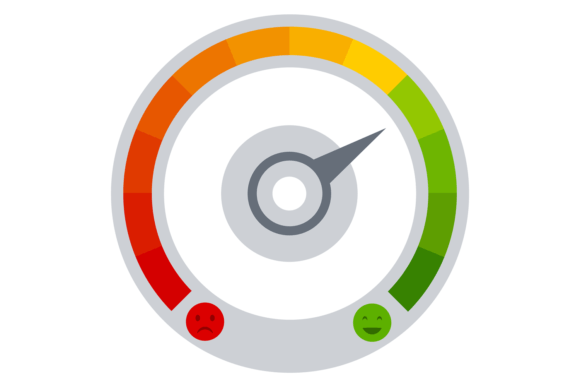
There is a reason why gauges and meters are so prevalent in modern interface design. Humans are naturally drawn to circles. They represent wholeness and completion. When you take that shape and apply a color-coded level system, you create a powerful tool for engagement. A Round Rating Gauge. Color Level Meter Ui typically features a segmented or smooth arc that fills up based on a specific value—be it a customer rating, battery life, or skill proficiency. The "Color Level" aspect is crucial here. It moves beyond a simple grayscale progress bar to a vibrant, intuitive system. We often see gradients moving from cool blues to warm reds, or perhaps a traffic light system of green, yellow, and red.
From a visual standpoint, this type of premium font alternative—by which I mean a premium graphical asset—often relies on clean lines and modern aesthetics. Because the asset is isolated on a white background, it offers immense versatility. You aren't locked into a specific background texture or color scheme. You can drop a transparent PNG of this gauge into a dark mode interface, a colorful marketing brochure, or a minimalist website header without worrying about clashing backgrounds. The personality of the element is technical yet approachable, making it perfect for brands that want to appear data-driven but user-friendly.
Practical Applications in Branding and Marketing
So, where does this specific UI element actually fit into your workflow? The applications are broader than you might think. For web design, this gauge is perfect for user profile pages, showing "Profile Strength" or "Trust Score." It acts as a visual reward system. If a user sees the gauge filling up with a vibrant green, they feel a sense of accomplishment.
For social media graphics and content creators, the Round Rating Gauge is an excellent way to display survey results or product reviews. Instead of a boring list of numbers, you can present a "Customer Satisfaction" score as a dynamic circle. It grabs the eye immediately while scrolling. Entrepreneurs and marketers can use this in pitch decks to visualize growth metrics or project milestones. It breaks up the monotony of text-heavy slides and keeps investors engaged.
Even in packaging design, particularly for tech products or health supplements, a stylized version of a color level meter can communicate efficacy. Imagine a supplement bottle featuring a gauge indicating "Absorption Speed" or "Potency." It adds a layer of scientific credibility to the product without overwhelming the consumer with text.
Strategic Design: Readability and Hierarchy
While the Round Rating Gauge is a graphical element, the principles of typography and layout still apply. When you integrate this UI element, you need to consider visual hierarchy. The gauge is a focal point; it draws the eye. Therefore, the accompanying text—whether it is a sans serif font for a clean look or a serif font for a more editorial feel—should support it, not compete with it.
Readability is key. If you place the gauge inside a dense paragraph, it loses its impact. It needs whitespace. Think of the gauge as a display font; it is designed to be seen and understood quickly. In your layout, give it room to breathe. Use it to break up long sections of text. This technique is common in editorial design and magazine layouts, where pull-quotes and infographics are used to maintain the reader's attention.
The color choices within the gauge also influence brand perception. A blue-toned gauge suggests reliability and calm, suitable for financial or corporate dashboards. A multi-colored, vibrant gauge suggests creativity and energy, fitting for a design agency or a lifestyle brand. Consistency is vital here. If you use the Round Rating Gauge with a specific color palette, ensure that palette is reflected in your buttons, headers, and other UI components to create a cohesive brand identity.
Choosing and Implementing Your Assets
If you are sourcing a Round Rating Gauge. Color Level Meter Ui for a commercial project, you need to treat it like any other design asset. Check the licensing. Is it a commercial font or asset license that allows for use in client work? Can you modify the colors to match your brand guidelines?
Look for file formats that offer flexibility. An EPS or SVG file is ideal for web design because it scales infinitely without losing quality. If you are working in a raster-based environment like Photoshop for a quick social media post, a transparent PNG is perfect. However, for print materials or high-resolution screens, vector formats are non-negotiable.
When testing the gauge in your layout, consider the context. A Round Rating Gauge. Color Level Meter Ui might look fantastic on a desktop dashboard but could be too small to read on a mobile screen if not sized correctly. Always test on multiple devices. Furthermore, think about the "personality" of the gauge. Does a sleek, minimal gauge fit a rugged, industrial brand? Probably not. You might need to adjust the stroke weight or the color saturation to match the tone of your project.
Conclusion
The Round Rating Gauge. Color Level Meter Ui is a versatile and powerful tool in the modern designer's toolkit. It bridges the gap between raw data and visual appeal. By understanding its characteristics—from its circular geometry to its color-coded psychology—you can use it to enhance user engagement, clarify complex information, and strengthen your brand's visual storytelling. Whether you are building an app, designing a website, or crafting a presentation, this UI element offers a practical, professional solution for displaying progress and ratings effectively.