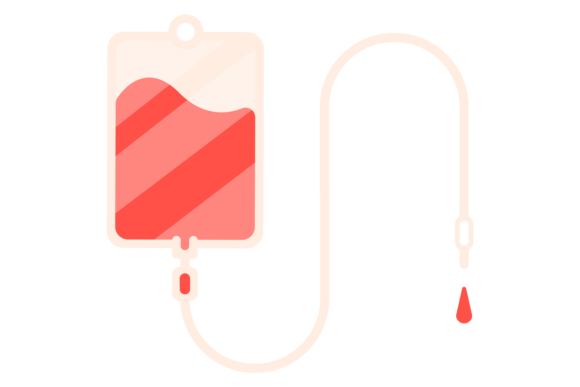
Medical Blood Drip Color Icon: A Transfusion Symbol Decoded
Understanding the Visual Language of Medical Icons
You’ve seen it on countless forms, medical packaging, and emergency signage: the Medical Blood Drip Color Icon. Transfusi. At its core, this graphic isn't just a random illustration; it is a standardized piece of visual communication designed to convey urgency, care, and biological necessity. Visually, the asset typically features a stylized blood bag or an IV drip stand coupled with a distinct red droplet. The "Color Icon" aspect is crucial here—unlike monochrome line art, this version utilizes a specific shade of red, often paired with clinical whites and subtle grays, to create immediate recognition.
The personality of this icon is strictly functional yet deeply empathetic. It balances the cold, sterile nature of medical technology with the warmth of the life-saving liquid it represents. In design terms, it is a display font for the eyes—it demands immediate attention without needing a single word. Whether you are downloading the Medical Blood Drip Color Icon. Transfusi as an EPS for vector scaling, a JPG for quick digital use, or a transparent PNG for layering, the core appeal lies in its ability to transcend language barriers. For designers and marketers in the healthcare sector, this asset provides a professional shorthand for complex medical concepts.
Strategic Applications for Designers and Marketers
So, where does a specialized asset like the Medical Blood Drip Color Icon. Transfusi actually fit into your workflow? The applications are surprisingly broad, extending well beyond hospital brochures. For graphic designers, this icon is a staple in logo design for blood banks, donation centers, and pharmaceutical startups. It serves as a strong anchor point in brand identity systems that need to communicate safety and vitality.
Consider packaging design for medical kits or first-aid supplies. Using this icon ensures that the product is instantly recognizable on a crowded shelf. In the realm of web design and digital platforms, the SVG format is invaluable. It ensures the icon remains crisp on retina displays and loads quickly, maintaining the site's performance. Content creators and bloggers covering health topics can use the icon to break up text, adding visual hierarchy to long-form articles about blood donation or transfusion procedures.
- Editorial Design: Use the icon as a pull-quote graphic or a section divider in health magazines.
- Social Media Graphics: Create awareness posts for blood drives using the red drip as a focal point for engagement.
- Corporate Presentations: Enhance slides for pharmaceutical companies or health insurance firms.
For entrepreneurs and small business owners, utilizing a high-quality, premium font or icon set signals professionalism. When you pair this medical icon with a clean sans serif font, you create a modern, approachable aesthetic. Conversely, pairing it with a sturdy serif font can evoke a sense of tradition and trustworthiness—perfect for established medical institutions.
Enhancing Brand Perception and Visual Hierarchy
The choice of imagery directly influences how an audience perceives a brand. Using a generic clipart can make a medical business look amateurish, but incorporating a high-fidelity asset like the Medical Blood Drip Color Icon. Transfusi elevates the entire composition. This asset contributes to a professional atmosphere, suggesting that the business pays attention to detail—a critical trait in the medical field.
In terms of visual hierarchy, the icon acts as a signpost. In a complex layout involving medical instructions, the red drip draws the eye immediately, allowing the designer to guide the reader through the content logically. This is a core principle of modern typography and design: using shape and color to manage the reader's flow. Furthermore, the consistency of using the same icon across different mediums—print brochures, website headers, and email signatures—builds brand recognition.
However, context is everything. While the icon is powerful, it must be used with sensitivity. It represents a serious medical procedure. Therefore, it should be used in contexts that respect the gravity of transfusion. Avoid using it for unrelated, whimsical themes, as this can confuse the audience and dilute the brand's message. When testing font pairings with text that accompanies this icon, ensure the typeface is legible. A highly decorative script font or handwritten font might clash with the clinical nature of the icon. Instead, opt for creative fonts that maintain readability, such as a modern geometric sans-serif.
Practical Guidance for Implementation
Before you finalize your project, evaluate the technical specifications of the asset. If you are working on large-scale print design, such as banners for a hospital, the EPS vector format is non-negotiable. It allows for infinite scaling without pixelation. For digital newsletters or social media, the transparent PNG is usually the best choice because it blends seamlessly over different background colors without a white box surrounding it.
When selecting this icon as part of your design assets library, check the licensing. Even if you are a hobbyist, understanding commercial licensing is vital if you plan to sell products featuring the design. Ensure the asset allows for the modifications you intend to make.
- Color Matching: Ensure the red in the icon matches your brand's color palette. If not, look for an SVG version that allows easy color editing.
- Scalability: Test the icon at various sizes. Does the "drip" detail disappear when sized down for a favicon? If so, you may need a simplified version for small applications.
- Contrast: Place the icon against your background to ensure the red pops. It needs high contrast to function effectively as a warning or attention symbol.
Ultimately, the Medical Blood Drip Color Icon. Transfusi is more than just a picture of a drop of blood. It is a versatile tool for branding, a guide for readability, and a symbol of care. By integrating it thoughtfully into your marketing materials and design projects, you bridge the gap between complex medical concepts and clear, user-friendly communication. Whether you are a crafter making awareness ribbons or a publisher