Bring Retro Flair to Modern Projects with This Seamless Pattern
The digital and print landscape is crowded, making it harder than ever to stand out. A well-chosen design asset can cut through the noise, and a Multi-Color Retro Seamless Pattern is one such asset with remarkable versatility. This isn't just a pretty background; it's a foundational element for building a cohesive and engaging visual identity. Its geometrical forms and vibrant, multi-color palette evoke a specific era while maintaining a clean, modern sensibility, making it adaptable far beyond vintage-themed projects.
Understanding the Pattern's Visual Personality
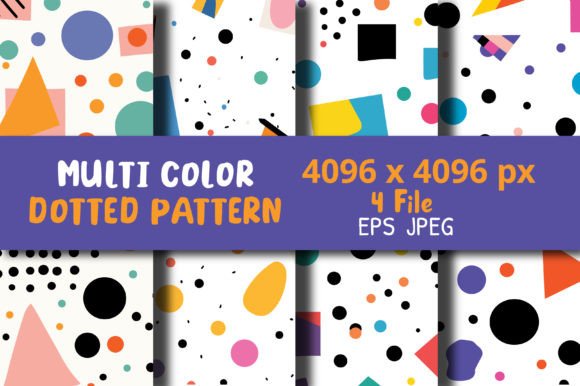
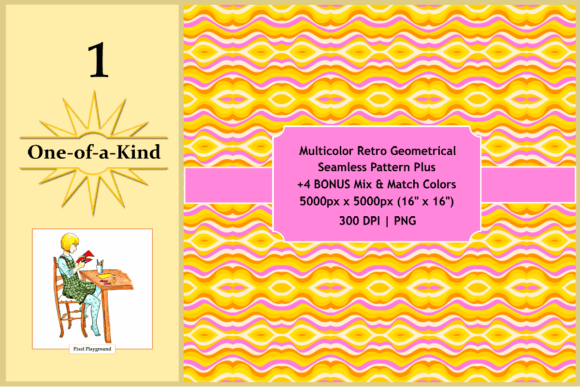
At its core, this pattern is a harmonious blend of geometry and color. The shapes—likely circles, triangles, or abstract forms—are arranged in a seamless, repeating grid that creates rhythm and movement without overwhelming the eye. The "multi-color" aspect is key; it offers a palette that feels energetic yet balanced, avoiding the monotony of a single-hue design. This gives the pattern its personality: it's playful but structured, nostalgic but not dated. Think of it as the visual equivalent of a well-curated vintage record collection—full of character but with a timeless quality.
This particular Multi-Color Retro Geometrical seamless pattern excels because of its high-resolution quality and thoughtful construction. Delivered as a 5000px x 5000px PNG at 300 DPI, it's built for professional use. The bonus tiles and mix-and-match color variations are not just extras; they are essential tools. They allow you to customize the pattern's scale and color harmony to fit your specific brand palette or project requirements, whether you're working in Canva for a quick social media post or in Adobe Photoshop for a complex packaging design.
Practical Applications Across Industries
The true value of this design asset lies in its application. For brand identity and logo design, it can serve as a striking background element, adding depth and personality to stationery, business cards, and presentation templates. In packaging design, it can transform a simple box or label into a shelf-stopper, communicating a brand's fun, creative, or heritage-focused ethos instantly. For editorial design and publishing, such as creating KDP covers or magazine layouts, the pattern provides a consistent thematic thread that can tie disparate pages together into a cohesive whole.
- Digital & Web: Use it as a background for websites, blogs, and social media graphics. It's perfect for creating eye-catching Instagram stories, Pinterest pins, or YouTube thumbnails that demand attention in a fast-scrolling feed.
- Print & Physical: Ideal for scrapbooking, paper crafts, custom stationery, and planners. Imagine a journal cover or a set of greeting cards that feels both personal and professionally designed.
- Home & Product: Its seamless nature makes it excellent for fabric printing (think throw pillows or tote bags) and wallpaper or home decor accents, allowing for large-scale applications without visible joins.
Integrating the Pattern for Maximum Impact
Using a bold pattern effectively requires some strategy. The first rule is visual hierarchy. This pattern is a star, but it shouldn't overshadow your core message. Use it strategically—for a header background, a sidebar, or an accent panel—while keeping primary text areas clean and readable. Pair it with strong, simple typography. A clean sans serif font for body text or a bold display font for headlines will stand in excellent contrast to the pattern's complexity, ensuring your message remains clear.
Consider the font pairing carefully. The retro-geometric style of the pattern has a distinct voice. Pairing it with a script font or a handwritten font can amplify its personality for creative projects like invitations or artisan branding. For a more corporate or tech-oriented use, a modern serif font or a geometric sans serif can create an intriguing juxtaposition of old and new. Always test your combinations in context. View your design at the intended size—whether on a phone screen or a printed poster—to evaluate readability and overall cohesion.
Evaluating Fit and Licensing
Before committing, ask if the pattern's personality aligns with your project's goals. Is the intended mood playful, energetic, or nostalgic? If yes, it's a strong candidate. Review the included bonus tiles and color variations; these are your customization tools. The ability to adjust the pattern's scale using the bonus tile in programs like Photoshop, Affinity, or Photopea is crucial for fitting different layout dimensions. Finally, ensure the licensing meets your needs. A pattern marketed for commercial font and design asset use typically allows for inclusion in products you sell, but it's always prudent to verify the specifics for your intended application, whether it's for a client's brand identity or your own product line.
Ultimately, a Multi-Color Retro Seamless Pattern is more than just a decorative element. It's a versatile tool for adding instant character, cohesion, and professional polish to a vast array of creative projects. By understanding its strengths and applying it thoughtfully, you can leverage this design asset to create work that is both visually distinctive and strategically effective.